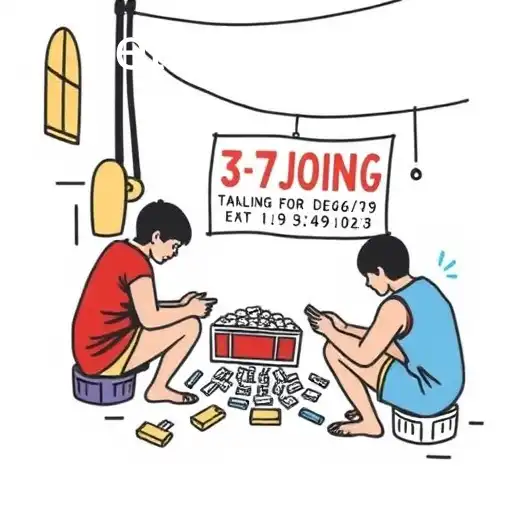
Understanding Jueteng: The Filipino Numbers Game
Jueteng is a clandestine numbers game that is widely popular in the Philippines. It remains an integral part of the cultural landscape, thriving amidst ongoing efforts to curb its prevalence. Despite its illegal status, jueteng draws a distinct following across various regions of the country. As an interesting intersection of culture, economy, and politics, jueteng provides unique insights into Filipino society.
The Origins of Jueteng
The history of jueteng can be traced back to the Spanish colonial era. It is believed that the word "jueteng" is derived from the Chinese words "hue" and "teng," which mean "flower" and "lottery," respectively. This reflects the game’s deep-rooted influences in Asia and its adaptation by the local culture over centuries. Despite its illegal status, jueteng continues to evolve, with changes in the methods of betting and collecting wagers.
The Mechanics of the Game
At its core, jueteng is a combination of luck, numbers, and community involvement. The game involves selecting a combination of numbers. Traditionally, these numbers range from 1 to 37, but variations exist depending on the local rules set by operators. Players, or bettors, place wagers on their chosen numbers, typically with a small monetary amount. Once the bets are collected, a lottery draw determines the winning numbers.
The operators, known as "cobradores," and several tiers of personnel facilitate the game. These include the coordinators who manage the operations, often linked to influential community figures. The irresistible charm of jueteng lies in its simplicity and potential for substantial returns from minimal investments, enthralling millions despite its risks.
The Economic Impact of Jueteng
Despite the legal risks, jueteng plays a significant role in local economies. In many rural areas, it is seen not only as a form of entertainment but also as a critical financial activity. For many Filipinos, jueteng represents both hope and economic necessity, especially for those engaged as cobradores who rely on it as their primary source of income.
The revenue generated by jueteng is substantial. Funds circulate within the community, contributing to informal philanthropic networks and serving as an economic stimulus. The funds are often used to support community projects or to assist individuals in dire need. This economic underpinning complicates efforts by authorities to eradicate the practice, as many local officials face the dual pressure of community dependence on jueteng proceeds and the mandate to uphold the law.
Jueteng and Politics
The entanglement of jueteng with politics in the Philippines cannot be overstated. Throughout the years, numerous allegations have surfaced linking prominent political figures to jueteng operations. These allegations often include claims of protection rackets, wherein operators provide monetary support to political campaigns in exchange for protection from law enforcement.
The symbiotic relationship between jueteng and politics ensures its resilience. Efforts to crack down on the activity frequently stall due to political ties and the fear of voter backlash in communities where jueteng remains popular. Consequently, this interplay contributes to the challenges faced by reform movements aiming to legalize and regulate similar forms of gambling.
Jueteng in the Digital Age
The digital transformation of the 21st century presents new challenges and opportunities for the jueteng industry. As more Filipinos gain access to mobile devices and online platforms, the game adapts to these technological advancements. The potential for online betting presents regulatory and ethical dilemmas. While it opens new avenues for operation and revenue, it also increases the potential for abuse and exploitation.
Authorities grapple with the dual task of integrating modern technology into regulatory frameworks while protecting the vulnerable from predatory practices. The digitization of games like jueteng underscores the dynamic nature of illicit activities and the necessity for equally adaptable governance.
Efforts to Address Jueteng
Addressing the challenge of jueteng involves a nuanced approach that goes beyond mere enforcement. Government bodies and civic organizations advocate for socio-economic interventions aimed at undermining jueteng’s appeal. Proposed solutions often include providing alternative sources of livelihood, increasing education about financial management, and fostering community empowerment.
Moreover, proponents of legalizing and regulating similar gambling activities argue that such measures could redirect revenue to public coffers and community programs. This perspective suggests transforming an illicit activity into a formal economic contributor while reducing the influence of crime syndicates and corruption. However, this approach remains contentious and faces opposition from various quarters of society.
Conclusion
Jueteng persists as a salient feature of Philippine society, embodying complex intersections of culture, economy, and politics. While it presents significant challenges, it also offers lessons in resilience and adaptation. As authorities and communities navigate the intricacies surrounding jueteng, continued dialogue and innovative solutions are essential to address its multifaceted effects.